
Football and education: building futures beyond the pitch
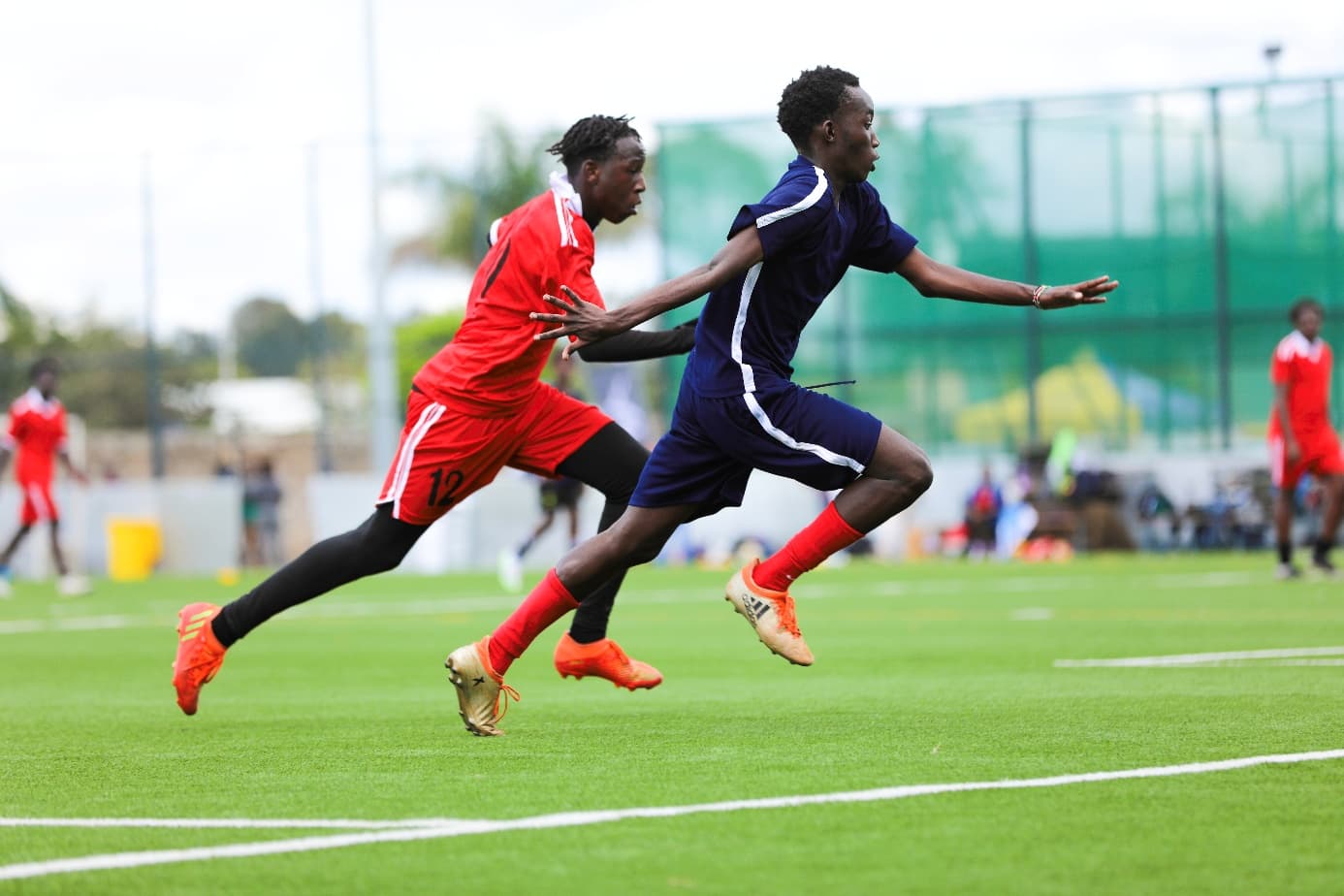
This is Sigve Austheim’s practitioner account of a school project. The figures describe that programme over its three-year period.
A three-year project in East Africa brought football development into an international academic programme through a partnership with Southampton Football Club. This article describes how the academy was organised, how it developed and what its students achieved in sport and education.
A vision for integrating sport and academics
The initiative was developed in partnership with Southampton Football Club in England and centred around the creation of an elite sports academy integrated directly into a rigorous international academic programme. Rather than lowering academic expectations for talented athletes, the project sought to prove that sporting excellence and educational achievement could strengthen one another.
The programme introduced Cambridge and Edexcel IGCSE courses, including Mathematics, English, and Double Science, alongside Physical Education and Food and Nutrition. Students followed a demanding schedule combining academics with approximately ten hours of sport every week. Half of this time was dedicated specifically to football, while students also trained in cross-country running, basketball, and badminton.
To ensure professional sporting development, the academy recruited Manolo Ruiz, an experienced football coach who had previously worked with clubs such as Real Madrid, Levante, Getafe, and Beşiktaş. His arrival immediately elevated both the professionalism and ambition of the programme.
Growth from thirteen students to a national pipeline
The academy began with thirteen students and grew to fifty-five within two years.
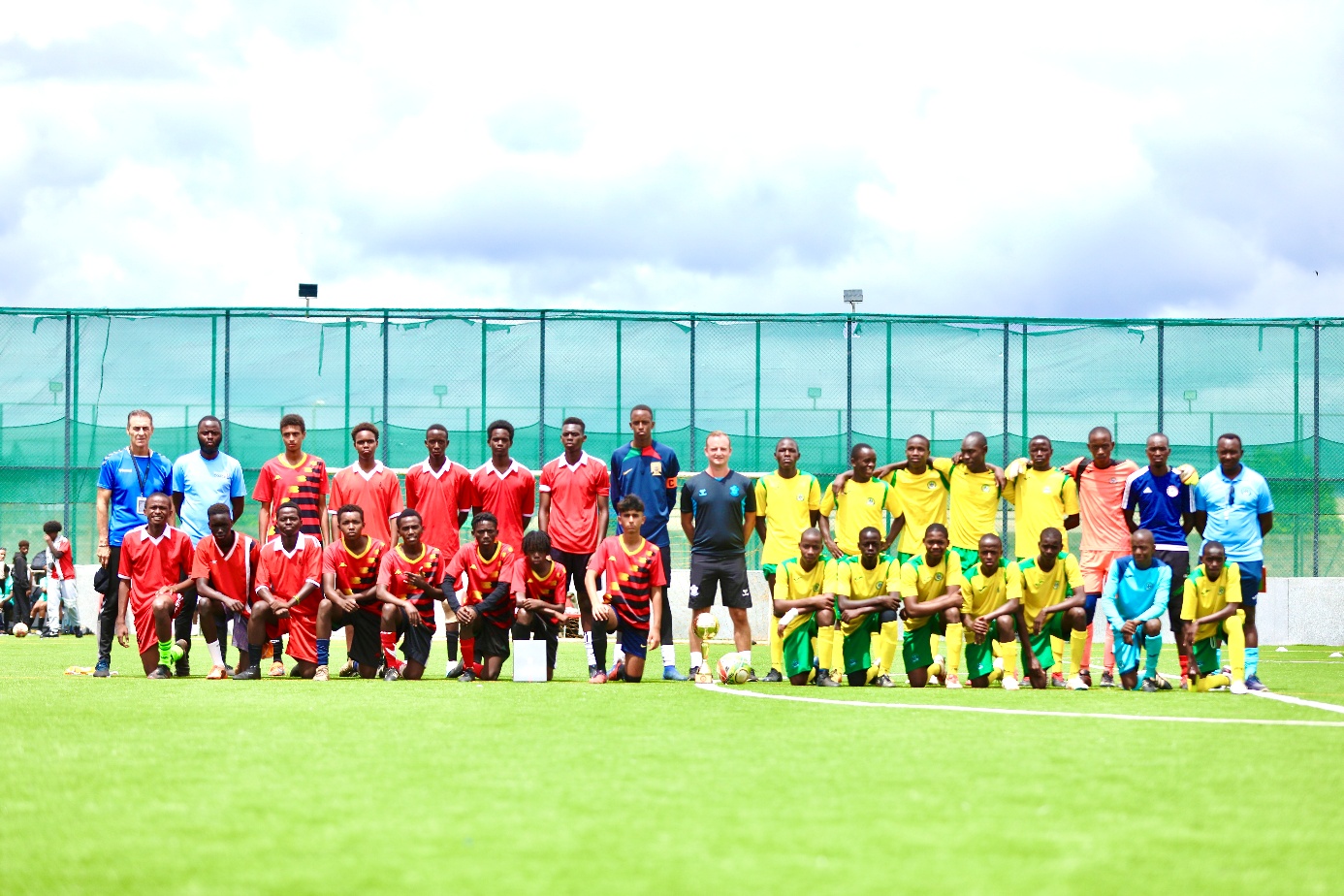
At the beginning of the project, only one player connected to the programme had received a national youth team call-up. By the end of the third year, that number had risen to ten players representing their country in various age groups. One of these players was a girl who had barely played football before joining the school, highlighting how opportunity, coaching, and belief can unlock hidden potential.
A partnership that reached beyond the school
The partnership with Southampton FC extended far beyond the school itself. As an international academic partner, the school gained access to expertise, visibility, and opportunities that helped create wider community impact.
One of the most significant developments was the launch of the Southampton Youth League in Nairobi. In its first year, eight teams participated. By the third year, the league had expanded to more than forty teams, creating regular competitive opportunities for hundreds of young players across the city.
The annual Southampton Cup experienced similarly dramatic growth. The first edition involved just over one hundred participants, while the third edition attracted more than one thousand players and coaches. The tournament became one of the largest youth football events in the region and generated significant local interest and attendance.
Every year, Southampton FC sent representatives and coaches to support the initiative. They supervised tournaments, delivered coaching clinics, visited schools, and gave motivational talks to students and coaches. During the annual Southampton League Gala, attended by up to five hundred players, coaches, and family members, more than forty awards were presented across different categories.
One particularly memorable feature of the gala was the interaction between young Kenyan players and professional footballers in England. Southampton players answered questions submitted by students through pre-recorded videos, sharing advice about discipline, training, education, mindset, and perseverance. For many participants, this was the first time they had direct interaction with professional athletes competing at the highest level of world football.
Results on the pitch and in the classroom
The sporting success of the academy was extraordinary. By the final year of the programme, the school won all four league categories and had nearly a dozen players representing national teams. One player secured a fully funded four-year scholarship connected to Southampton FC, while several others earned opportunities and scholarships abroad.
Yet perhaps the most important success of the programme was educational.
Alongside sport and academics, students studied Food and Nutrition, learning how to cook healthy meals and understand the importance of nutrition for performance, wellbeing, and long-term health. To support this, the school constructed a dedicated kitchen facility specifically for the programme.
Importantly, several students came from disadvantaged backgrounds and were offered scholarships to support both their education and football development. Many entered the programme with limited English proficiency and relatively weak academic foundations. For some, international examinations such as IGCSEs initially appeared almost impossible.
However, sport became a powerful source of motivation.
The structure, discipline, teamwork, and ambition created through football began to influence academic habits. Students who may otherwise have disengaged from school became more focused, determined, and resilient. They developed routines, accountability, confidence, and long-term goals.
In the second year of the programme, students from the elite sports academy accounted for approximately one-third of the school's total exam entries. Despite many of these students having entered with academic disadvantages, the school achieved thirty-five per cent A* and A grades overall.
The overall school result provides context, but it does not establish a separate examination outcome for the academy group or prove that football caused an improvement.
By the third and final year of the programme, academic performance improved even further. Several students successfully continued both their education and football careers abroad, including three students who moved to Spain to complete their high school education while continuing elite football development.
The lesson for schools elsewhere
Schools planning a sports programme need to consider how it fits with teaching, examinations, pastoral care and the timetable. In this project, football sat alongside IGCSE study, other sports and practical learning in Food and Nutrition. The academic programme remained part of the students' daily commitments.
The experience offers a useful example of planning sport and education together, with appropriate coaching, facilities and support for students whose starting points differed.
Our Schools services include sport and purposeful learning with Sigve Austheim. Request a consultation to discuss the school’s educational aims, timetable and provision.